Hidden within the dry zone wilderness bordering Yala National Park, the Sithulpawwa Rajamaha Viharaya or Sithulpawwa Rock Temple remains one of southern Sri Lanka’s most historically significant religious sites. Located deep within the landscape of Sithulpawwa, Sri Lanka, the temple complex combines spiritual importance with striking natural surroundings, offering visitors a quieter and more reflective experience compared to the region’s busier tourist attractions.
Believed to date back over 2,000 years, the site was once home to thousands of monks and continues to function as an active place of worship today. Its location within the Yala region allows travellers to combine wildlife experiences with visits to an important Buddhist monastery in Sri Lanka, creating a journey that feels deeply connected to both culture and landscape.
History of Sithulpawwa Rock Temple
Sithulpawwa’s origins trace back to the 2nd century BCE during the reign of King Kavantissa, the ruler of the ancient Kingdom of Ruhuna. Historical records suggest the monastery became a major centre for Buddhist learning and meditation, attracting monks from across the island.
The name “Sithulpawwa” is believed to derive from the phrase “Chiththala Pabbatha,” meaning “the hill of the quiet mind". The temple’s remote setting among rocky outcrops and forestland made it ideal for meditation and monastic life.
Archaeological discoveries within the complex reveal remnants of ancient stupas, stone inscriptions, meditation caves, and monastic dwellings. Many of these structures remain remarkably preserved despite centuries of exposure to the elements.
The site also carries strong ties to Sri Lankan Buddhist history through legends associated with royal patronage and religious scholarship. While Yala is often associated primarily with safaris, the cultural significance of Sithulpawwa adds another layer to the region’s identity.
Sithulpawwa Wehera and Sacred Structures
At the centre of the Sithulpawwa Wehera complex stands the white dagoba positioned atop the rocky hill overlooking the surrounding forest. Reaching the upper level requires climbing a series of stone steps carved directly into the rock, though the ascent remains relatively manageable.
Along the way, visitors encounter:
- Ancient cave shrines with faded murals
- Reclining and seated Buddha statues
- Meditation platforms used by monks
- Panoramic viewpoints across the Yala wilderness
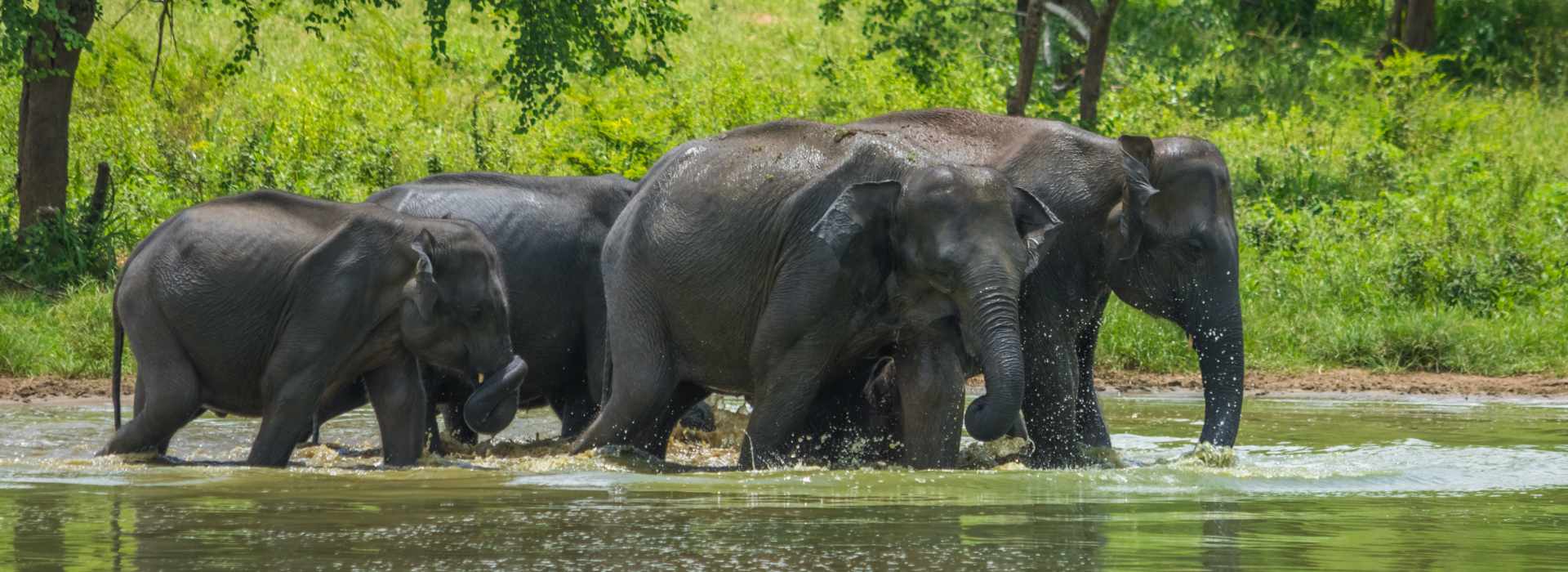
From the summit, the surrounding landscape stretches across dense forest, scattered lakes, and rocky plains that define this part of southern Sri Lanka. Many visitors notice the contrast between the stillness of the temple and the untamed wilderness surrounding it. Wild peacocks, monkeys, and occasionally elephants are known to appear near the access roads leading towards the monastery.
Things to Do Near Yala National Park
For travellers spending several days in the area, there are many rewarding things to do near Yala National Park that combine culture, wildlife, and nature.
Sithulpawwa Rock Temple Visit
Visiting the temple allows travellers to experience a quieter side of the region focused on history and spirituality. Unlike some larger heritage attractions in Sri Lanka, Sithulpawwa retains a sense of authenticity because it continues functioning as an active religious site.
Yala Safari Experience
A safari through Yala National Park remains one of the defining experiences in southern Sri Lanka. The park is particularly famous for its leopard population, though visitors may also encounter elephants, sloth bears, crocodiles, spotted deer, and hundreds of bird species.
Exploring Nearby Nature and Landscapes
Beyond the safari zones, the Yala region includes lagoons, coastal plains, rocky hills, and rural villages that remain relatively untouched by mass tourism. Sunrise and sunset drives are a particularly great way to see the area at its most beautiful.
Places to Visit in Yala
Several destinations complement a visit to Sithulpawwa and help travellers experience the diversity of the region. Popular places to visit in Yala include:
- Yala National Park safari zones
- Sithulpawwa temple complex
- Bundala National Park and nearby lagoons
- Kirinda coastal village and temple
- Remote beaches along the southern coastline
- Rural farming communities surrounding Yala
How to Visit Sithulpawwa Rock Temple
Sithulpawwa is located within the Yala region of southeastern Sri Lanka and is usually accessed through Tissamaharama or Kataragama. The temple lies roughly 18 kilometres from the main Yala entrance areas, with roads leading through forested terrain.
Travellers typically reach the site by private vehicle or organised tour. Roads remain accessible year-round, though conditions can become dusty. The dry season between February and July generally provides clearer conditions for sightseeing and photography.
Travel Tips for Visiting Sithulpawwa Sri Lanka
When visiting sacred religious sites in Sri Lanka, respectful behaviour remains important.
A few helpful guidelines include:
- Wear clothing that covers shoulders and knees
- Remove hats and shoes before entering shrine areas
- Avoid loud behaviour inside temple grounds
- Carry cash for small donations if desired
- Plan visits outside peak midday heat
- Carry bottled water and visit during cooler hours to combat the heat
A Different Side of Yala Worth Discovering
While Yala is globally recognised for wildlife safaris, Sithulpawwa offers a very different perspective on the region. The monastery’s ancient ruins, quiet atmosphere, and dramatic setting within the wilderness make it one of the most rewarding cultural experiences in southern Sri Lanka.
Staying at O2 Villas Yala provides convenient access to both the national park and the region’s historic landmarks, creating a well-rounded Yala experience shaped by nature, culture, and history. With accommodation options of spacious sea view villas and private pool retreats, the property offers a comfortable place to slow down after long safari drives and cultural excursions. Book your stay and experience a more relaxed side of Yala between wildlife adventures and heritage discoveries.